Sunday, 18 January 2026

First Month Baby Health Care: Complete Newborn Care Guide


https://www.prevea.com/getmedia/1e1c9fe4-a9a5-4295-ac5d-891d64b09500/Resources_Safe_Sleep_Infants.jpg?ext=.jpg&height=720&width=1280

First Month Baby Health Care: A Complete Guide for New Parents

The first month with your newborn is a beautiful, emotional, and sometimes overwhelming journey. Your baby is adjusting to life outside the womb, while you’re learning how to meet their needs day and night. Proper first month baby health care lays the foundation for your child’s growth, immunity, and overall well-being.

This complete guide will walk you through everything new parents need to know—from feeding and sleep to hygiene, vaccinations, and warning signs—so you can care for your baby with confidence.


Understanding Your Newborn in the First Month

The first 30 days of life are often called the neonatal period. During this time, babies undergo rapid physical and developmental changes.

What’s Normal in the First Month?

  • Frequent sleeping (16–18 hours a day)

  • Irregular feeding schedules

  • Crying as a form of communication

  • Startle reflexes and sudden movements

  • Mild skin peeling or baby acne

These behaviors are usually normal and part of healthy newborn development.


Feeding Your Baby in the First Month

https://cdn.shopify.com/s/files/1/0629/6476/0799/files/The_Best_Positioning_Of_Feeding_Baby_1024x1024.webp?v=1666667436

Breastfeeding

Breast milk provides ideal nutrition and antibodies that protect your baby from infections.

Tips for successful breastfeeding:

  • Feed on demand (8–12 times per day)

  • Ensure a proper latch to avoid nipple pain

  • Watch for hunger cues like rooting or sucking motions

  • Stay hydrated and eat nutritious foods

Formula Feeding

If breastfeeding isn’t possible, infant formula is a healthy alternative.

Formula feeding tips:

  • Follow preparation instructions carefully

  • Sterilize bottles and nipples

  • Feed every 2–3 hours

  • Never force your baby to finish a bottle

Burping

Burp your baby after every feed to reduce gas and discomfort. Hold them upright or gently pat their back over your shoulder.


Newborn Sleep and Safe Sleeping Practices

Sleep is essential for newborn growth, but it can be unpredictable.

How Much Should a Newborn Sleep?

  • 14–18 hours per day

  • Short sleep cycles (2–4 hours)

  • No fixed day-night pattern yet

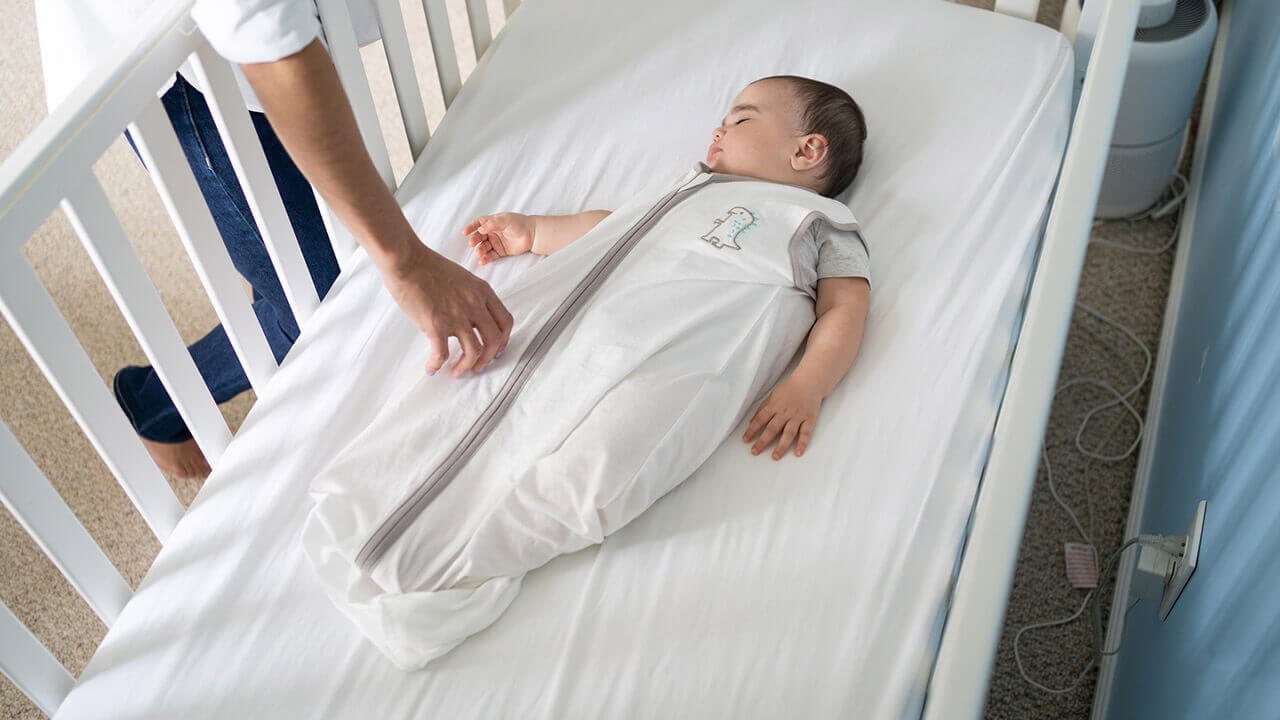
Safe Sleep Guidelines

  • Always place your baby on their back

  • Use a firm mattress with no pillows or toys

  • Share a room, not a bed

  • Keep the sleep area smoke-free

Safe sleep practices significantly reduce the risk of sleep-related accidents.


Hygiene and Skin Care for Newborns

Bathing

In the first month, sponge baths are enough until the umbilical cord stump falls off.

Bathing tips:

  • Bathe 2–3 times per week

  • Use lukewarm water

  • Choose mild, fragrance-free baby products

  • Gently pat skin dry

Umbilical Cord Care

  • Keep the area clean and dry

  • Do not apply powders or creams unless advised

  • The stump usually falls off within 1–2 weeks

Diaper Care

  • Change diapers frequently

  • Clean gently with warm water or alcohol-free wipes

  • Apply diaper rash cream if redness appears


Monitoring Your Baby’s Health

Weight and Growth

Some weight loss in the first few days is normal. Most babies regain their birth weight by 10–14 days.

Signs of healthy growth include:

  • Regular feeding

  • 6–8 wet diapers daily

  • Steady weight gain

Newborn Checkups

Your baby will have medical checkups within the first month to monitor:

  • Weight and height

  • Feeding patterns

  • Reflexes and movement

  • Overall development


Vaccinations and Immunity

Vaccinations play a crucial role in protecting your baby from serious illnesses.

Common Early Vaccines

  • Birth dose vaccines (often given within 24 hours)

  • Follow-up vaccines as advised by your healthcare provider

Vaccines help strengthen your baby’s immune system during this vulnerable stage.


Bonding and Emotional Care

Emotional well-being is just as important as physical health.

Ways to Bond With Your Baby

  • Skin-to-skin contact

  • Talking, singing, and making eye contact

  • Gentle rocking and cuddling

  • Responding promptly to cries

Strong bonding helps your baby feel safe and supports brain development.


Common Health Concerns in the First Month

Many new parents worry about minor issues that are usually normal.

Common but Normal Issues

  • Hiccups

  • Sneezing

  • Mild jaundice

  • Baby acne

  • Gas or fussiness

When to Call a Doctor

Seek medical help if your baby:

  • Has a fever

  • Refuses feeds repeatedly

  • Shows difficulty breathing

  • Has very few wet diapers

  • Cries inconsolably for long periods

Trust your instincts—if something feels wrong, it’s always okay to seek advice.


Parental Self-Care Matters Too

Caring for a newborn can be exhausting. Your health affects your baby’s health.

Tips for new parents:

  • Rest whenever possible

  • Accept help from family and friends

  • Eat balanced meals

  • Talk openly about stress or anxiety

A healthy parent is better equipped to care for a healthy baby.


Final Thoughts

The first month of your baby’s life is a time of learning, love, and adjustment. While it’s normal to feel unsure at times, focusing on proper first month baby health care helps ensure your newborn gets the best possible start.

Remember, every baby is unique. With patience, attention, and care, you’ll soon find your rhythm and grow more confident each day.

Friday, 1 April 2022

Best Health Tips For Women


best health tips

Many people wonder how they can make the most of the best health tips for 2021. There are so many different ways to get the most out of your life and you should apply them to every aspect of your life. There are simple ways to improve your health and fitness. For instance, staying indoors all day can lead to fatigue and laziness. You should try to sleep at least eight hours every day to keep your body refreshed. It also helps to drink sufficient amounts of water.


A daily exercise routine can make a big difference in your health. Exercising will help you keep your body fit, boost your mood, and improve your sleep. It is also beneficial for your mental state, which will help you deal with stress. Even simple exercises, such as walking or jogging, can help you feel better and live longer. You can also cross-train, which means combining several types of best exercises.


Exercise is a vital part of living a healthy life. Physical activities maintain fitness levels keep the internal organs operating properly and make you feel good. When you exercise regularly, you will feel more energetic and happier than you ever have before. HIIT, cardio, and weight training are all great choices for your daily routine. However, if you don't have the time or money to participate in a fitness routine, you can still get additional benefits from daily activities.


Exercise is an essential part of a healthy lifestyle. Physical activities are essential to a healthier body and mind. Regular exercise is important to keep your internal systems functioning optimally. It will also help your mind to relax and empower your soul. For the best health tips for women, it is imperative to include a regular exercise routine. Not only is it important for you to get a decent amount of sleep, but it's also crucial for your mental well-being.


Getting plenty of physical activity is another great way to improve your health. It's important to do some kind of exercise every day to ensure that your body is in the best condition possible. Whether you prefer aerobics or strength training, HIIT, or weight training will help you feel better physically and mentally. These are the three basic elements of an active lifestyle. If you have a regular workout routine, it will help you stay fit.


Exercise is important for better health. It not only helps you look and feel great, but it also promotes the health of your soul. Apart from this, exercising will also help you to stay fit mentally and psychologically. A healthy lifestyle will help you live longer and make you feel younger. The best health tips for women will help you live a healthy life. This way, you can enjoy a long, happy and prosperous life. And the best part is that they're free.


Getting enough physical activity is also essential for better health. A healthy lifestyle will improve your mood and make you feel stronger internally. This will help you make better decisions. You will also notice a difference in your overall quality of life. You will feel younger and more refreshed. If you follow these tips, you'll be on your way to a healthier you. And remember to incorporate these in your daily life! All you need is a little time.


Having a healthy diet is one of the best health tips for pregnant women. Besides eating more vegetables and fruits, it's also important to avoid processed foods. These foods contain additives that can make you susceptible to disease. By eating more fruits and vegetables, you'll be more likely to be able to fight Coronavirus with ease. These foods are also high in omega-3 fatty acids. They will improve your digestive system, which will lead to a better mood.


Getting enough physical activity is a key to better health. A daily exercise routine can help you lose weight and stay fit. It will also improve your mental health. Most people are unaware of how important exercise is to good health. By following a healthy diet, you'll be on your way to a healthier lifestyle in no time. In fact, most people have a better mood and live longer than they did a few years ago.

Tuesday, 12 February 2019

What is Fitness Apology ?


Brittany Dawn was recently involved in multiple scams. She released her side of the story.


Featured post

First Month Baby Health Care: Complete Newborn Care Guide

  First Month Baby Health Care: A Complete Guide for New Parents The first month with your newborn is a beautiful, emotional, and sometimes ...